Second Pressing

Gallery: what a record photograph can show

Two stock photographs and one short clip, each described by what it actually shows. A picture cannot grade a record, so this page says what each frame can and cannot tell you.
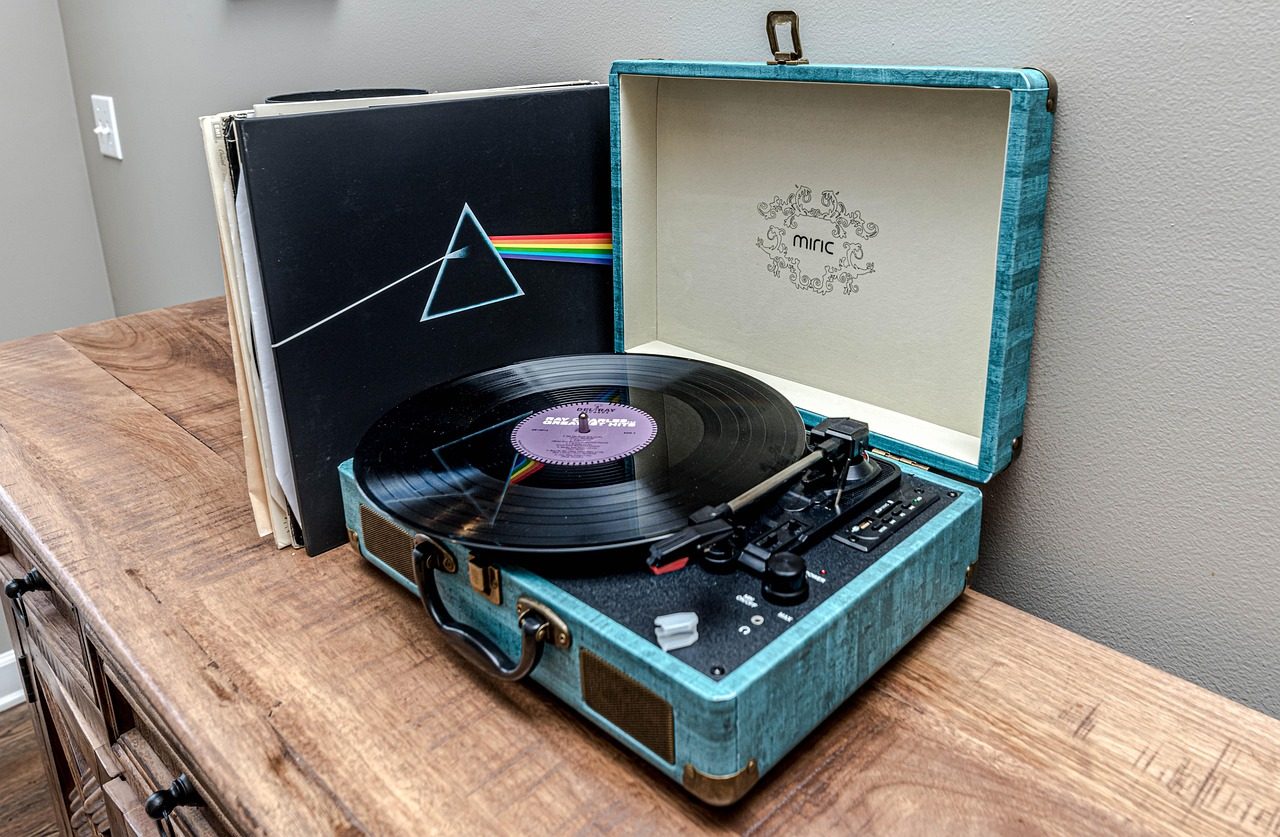
A suitcase record player with a vinyl record on it and album sleeves standing behind it

Two stock photographs, each described by what it shows

Neither picture was taken for this site, and neither shows a record from anyone's shelf. Both are stock photographs, so the words here say what is in the frame and stop there. The first is a suitcase record player with a vinyl record on it, and album sleeves standing behind it.

The frame does not show the disc close enough to judge its surface, so nothing in it tells you a grade. What it does show is the object and the sleeves, which is useful for three things:

  • knowing what a player and a stack of sleeves look like together, so a listing has something to sit beside
  • seeing that a picture shows shape and presentation, and not wear
  • keeping the check for condition for the moment you hold the record, using the steps on the buying guides page
What a photograph can tell you about a used record, and what it cannot

Why these pictures stop short of grading a record

A grade is a judgement about a physical disc: its surface, its groove, its warp and the sleeve it lives in. A photograph flattens all of that, cannot be turned to the light and cannot be played. So none of the pictures on this page is offered as evidence of any condition. They show the setting a record is found in, and the objects around it.

Where the grading words come from

Sellers and shops use a set of grading words, and the Goldmine grading guide sets out one scale. On it, a Near Mint record has been played only a few times, and a Very Good Plus copy has a few extra faults that do not seriously hurt playability or the look of the jacket. The Goldmine music media grading guide sets out the full scale.

Ask a seller which scale they use before you compare two grades, since the words only mean something against a named scale.

The one line this page is built around

We kept only the pictures whose frames we could describe without guessing.

Second Pressing
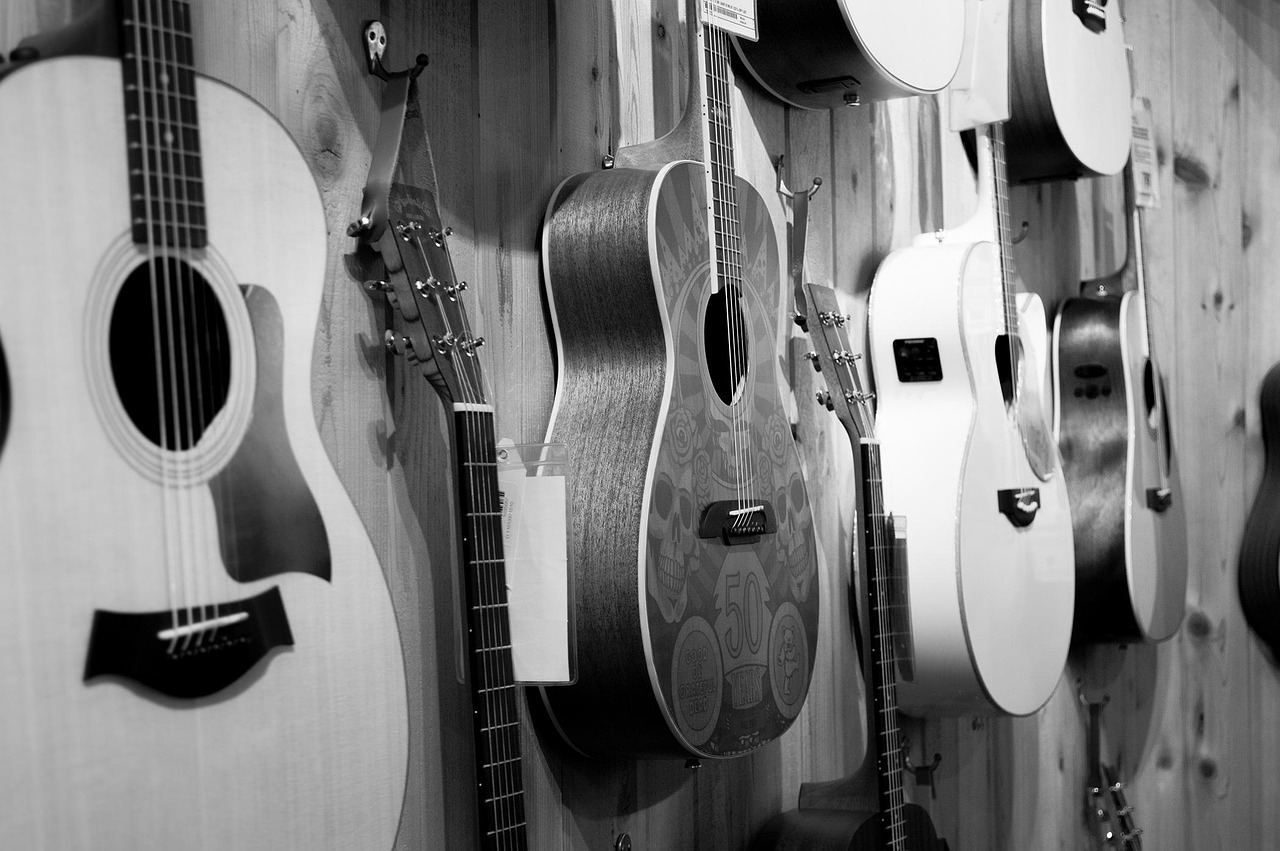
Acoustic guitars hanging on a wooden shop wall, in black and white

Why a wall of guitars is here, and what was left out

The guitars are the one picture on this page that shows only instruments on a wall, with nothing in the frame that makes a claim about the shop. It is black and white on purpose, so the wall reads as a plain record of how instruments are hung.

Left out: pictures that claimed a condition the frame could not show, and the generated scenes with people in them. A stock picture of a person is not a customer, and this page has no use for one.

A short clip, and what it can and cannot show

The clip is the only moving picture on this page. It is here for the pace of browsing rather than for any particular detail, and its description was not checked against the footage frame by frame.

Stock footage from Pexels, credited to Tima Miroshnichenko. Play it for the atmosphere of a record shop, not as a picture of any named place.

For how the checks fit together when you are holding a record, the buying guides page works through them in order.