Second Pressing

Care Instructions for records at home

How to store, handle and warm up a record you already own, with the source named for each rule.

Looking after records in a small room or a rented flat

We wrote this page for someone who already owns records and wants them to stay playable. Shelf space is tight in a small room or a rented flat, and the spot that suits a shelf is not always the spot that suits a record. The rules below apply in either place. We have named the source of each rule on the page, so you can check it against the original.

Good care is mostly a matter of where a record sits and how it is held, and both are within reach of any shelf.

Condition at the point of sale is covered on the buying guides page. This page starts once the record is yours.
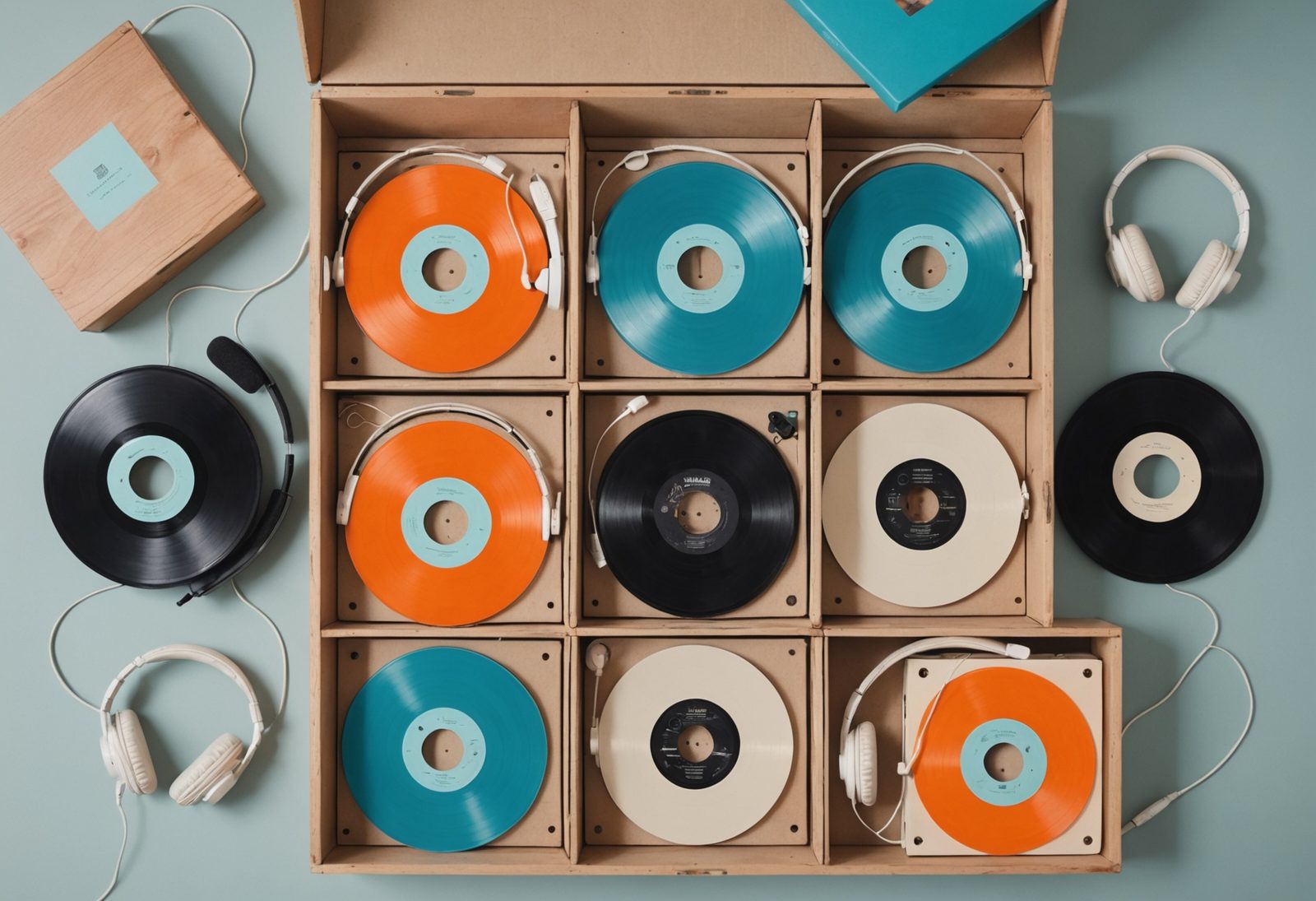
Four rules for everyday storage and handling

We keep these to four, and they apply to LPs, 45s and 78s alike. Store records upright, on their edge, never stacked flat. Hold a record only by its edge and label area, and keep your fingers off the playing surface. Let a record from cool storage, such as a cold car or a garage in winter, reach room temperature before it is played. Replace the inner sleeve with a high density polyethylene one.

Overhead view of record sleeves fanned out beside a pair of headphones on a pale table

Buying questions are answered on another page

Choosing a record to buy is covered on the buying guides, and the shop guide helps you pick the kind of place to visit first.

Specifics on cleaning, gloves, sleeves and temperature

How should a record be cleaned, and stored for the long term?

For cleaning and long-term storage of grooved discs, see the Library of Congress guide to caring for audio materials. It goes further than this page, and it is the source for the storage and handling rules above.

Are cotton gloves needed for handling?

No. NEDCC's preservation guidance says there is no need to wear gloves, and that cotton gloves can cause you to drop the item. Wash and dry your hands before handling records instead.

Why wait before playing a record that was cold?

A record from cool storage should reach room temperature before it is played back. The Library of Congress says this directly, and it matters most after a cold car ride or a winter spent in a garage.

Does a home shelf need a set temperature?

Not in the archival sense. NEDCC's 50 to 60 °F and 30 to 40 percent humidity target is for archival storage of discs, and a living-room shelf cannot match it. The practical lesson is steady conditions, which means keeping the shelf away from the spots where a window or a heater makes them swing the most.

What should a reader check on the shelf they already have?

Walk along the shelf and look at where it sits. Note whether it is beside a window or a heater, whether the records stand upright without leaning, and whether anything cold has been stored with them. Each of these is a place where the rules above are easiest to break.